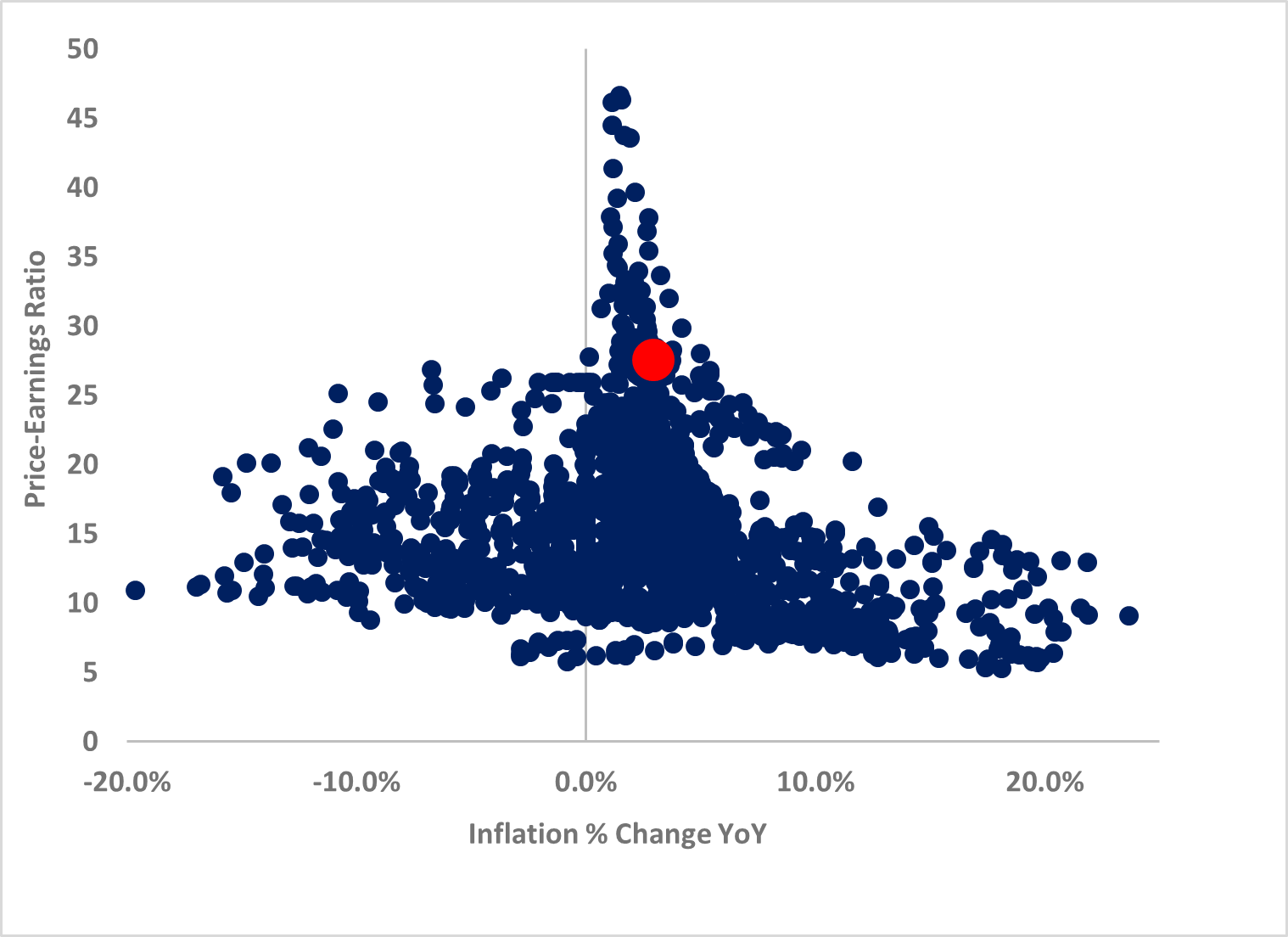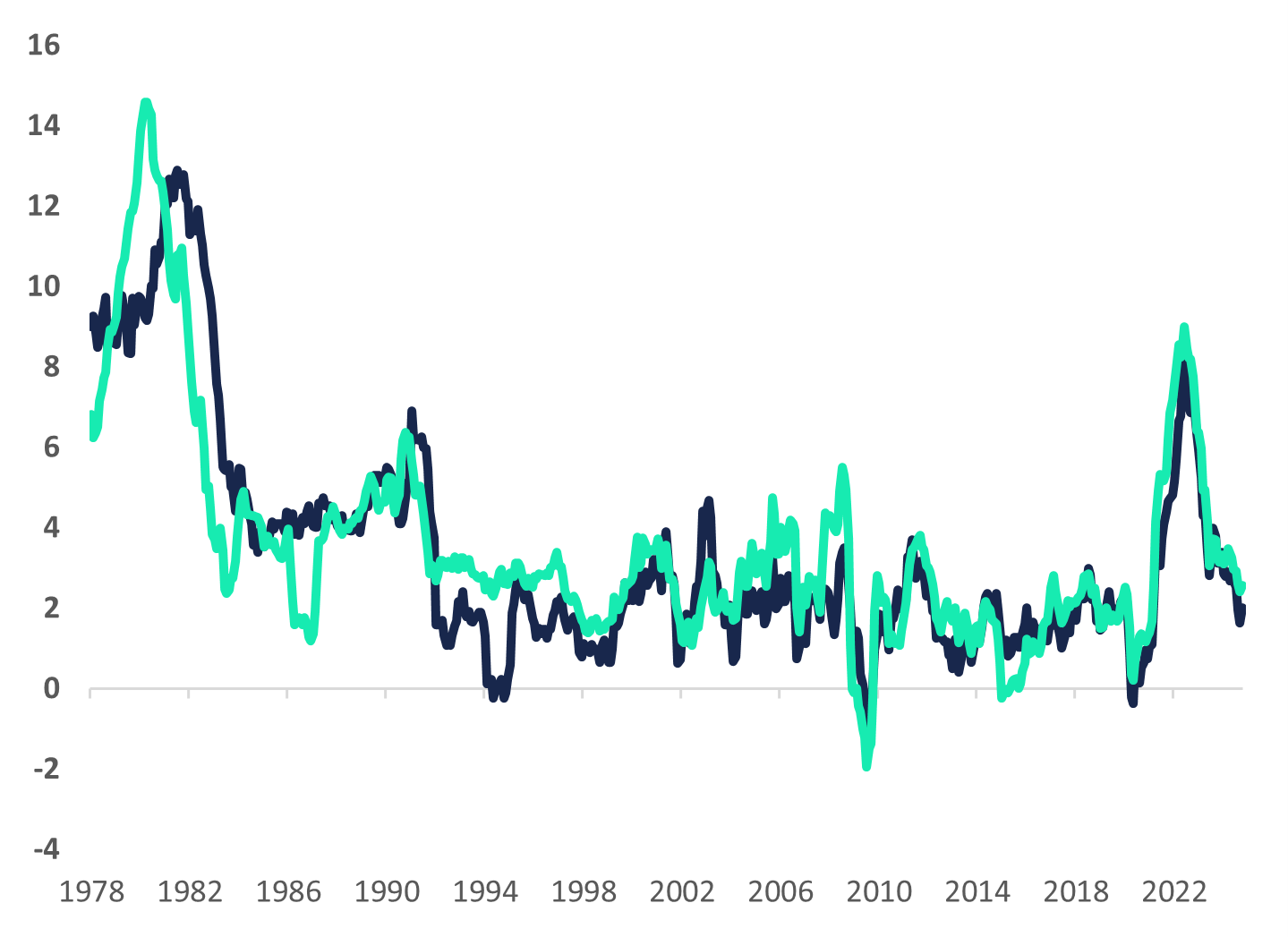

Trump’s economic policy comprises four key components intended to boost the supply side of the economy and improve domestic conditions. However, these measures are more likely to increase demand and lead to overheating. These are: tariffs, mass deportations, deregulation, and influence over Federal Reserve policy.
Tariffs
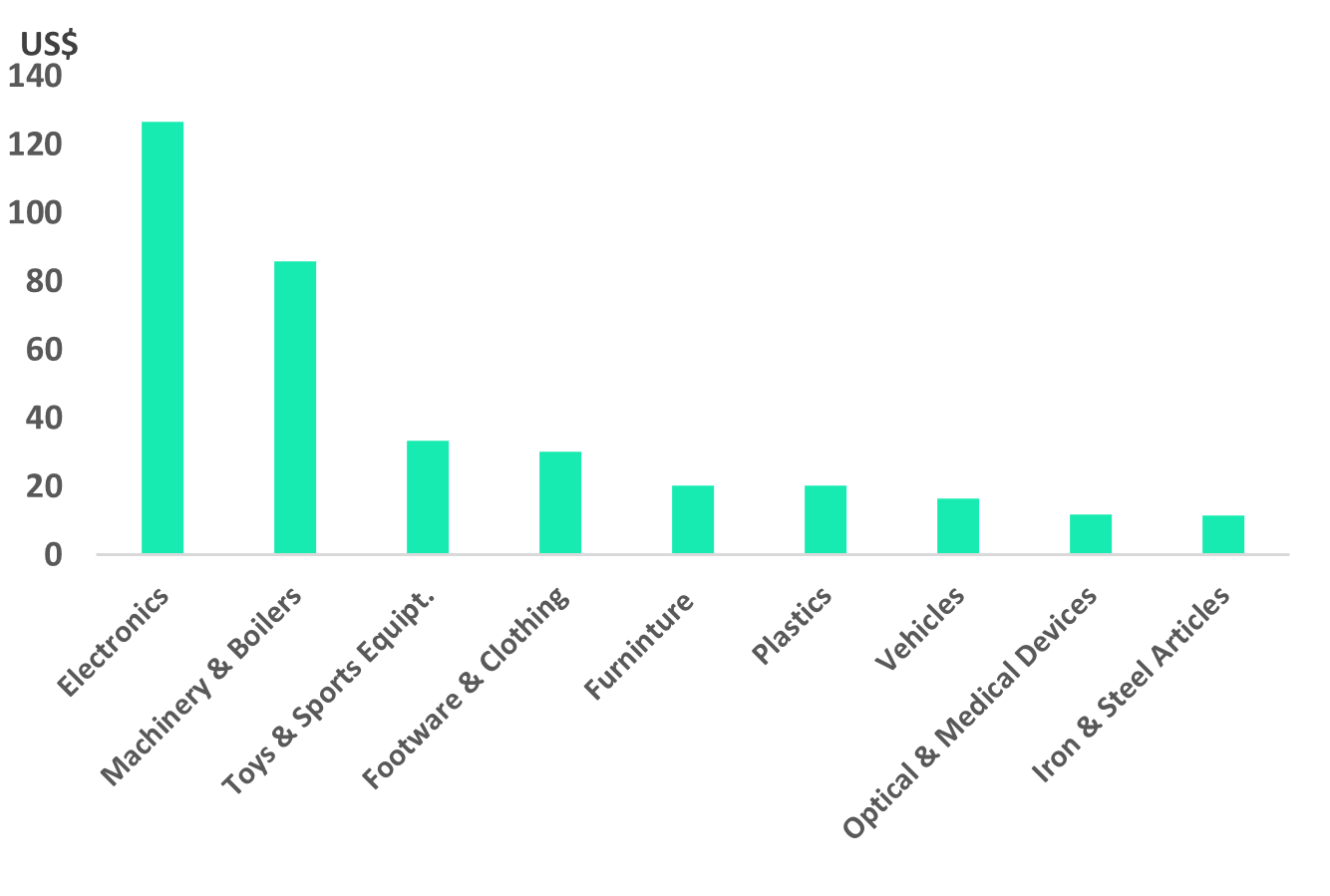
The U.S. economy is currently operating at its productive capacity. Introducing higher tariffs may redirect demand from imports to domestic production, but with domestic producers already operating at their limit, they will be unable to meet the increased demand. The result will be rising inflation, driven by supply constraints.
Mass Deportations
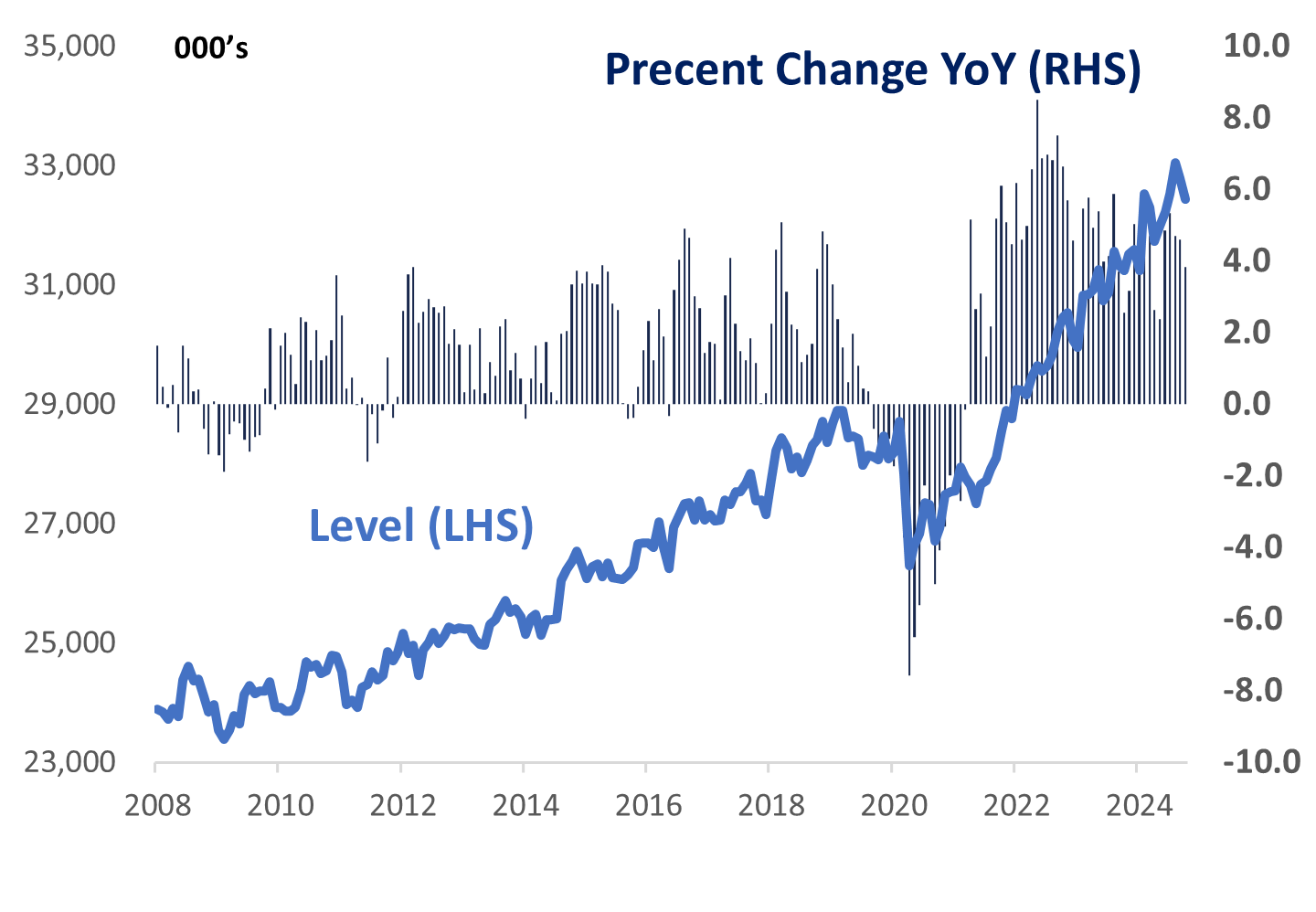
Trump’s promise to deport up to 11 million undocumented immigrants would reduce the labour force by about 5%. Such a significant reduction would intensify labour shortages, causing producers to compete for a diminished pool of workers and drive up wages. This could create a wage-price spiral, increasing the risk of that inflation will surge.
Deregulation
The deregulation agenda, widely supported by businesses for its promise of increased efficiency, carries risks of financial stability—particularly potential integration of cryptocurrencies into mainstream finance. Banking deregulation and broader adoption of cryptocurrencies, which currently lack the stabilising framework of conventional finance, could introduce significant vulnerabilities to the financial system.