

Turbocharging Canada’s economy
To offset the downturn threatened by US tariffs on key Canadian industries, the Liberals plan to adopt an expansionary fiscal stance. Their platform pledges substantial investment: C$25 billion for housing, a C$5 billion trade-diversification fund, and a C$2 billion strategic response fund for sectors hit by tariffs. These measures aim to reinforce domestic supply chains, safeguard manufacturing jobs and expand trade beyond the United States. They also promise to remove federal barriers to inter-provincial trade—reforms that could reinvigorate a flagging domestic economy.
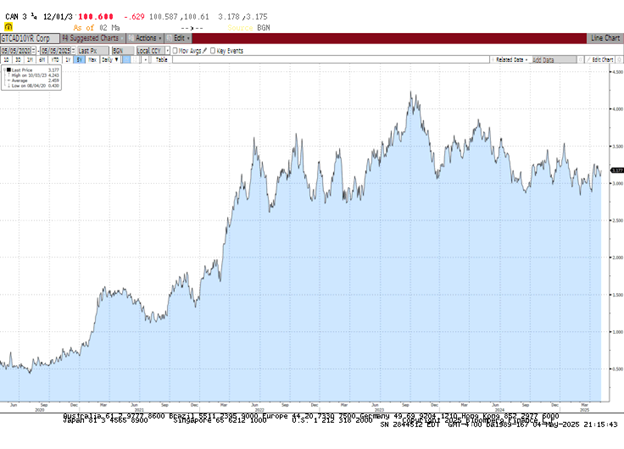
According to the Parliamentary Budget Officer, these programmes would push the federal deficit to C$62.3 billion—about 2 per cent of GDP—in 2025-26, up from the baseline projection of C$46.8 billion (1.5 per cent of GDP). While the stimulus is expected to provide a timely lift to growth, forecast to remain subdued over the next two years, fiscal discipline will be vital. Persistent and widening deficits could tarnish Canada’s standing in bond markets, inflate borrowing costs and erode investor confidence.