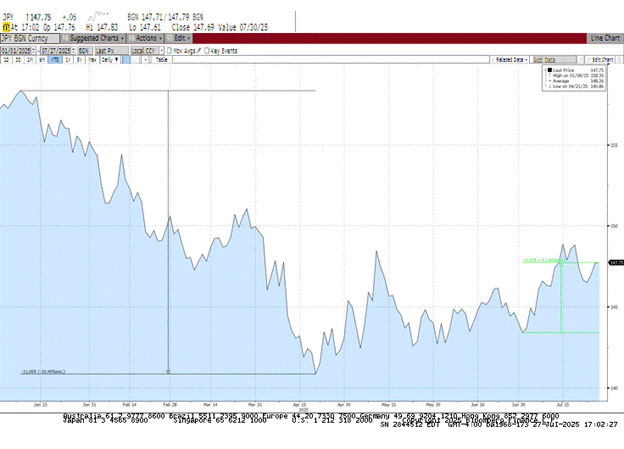
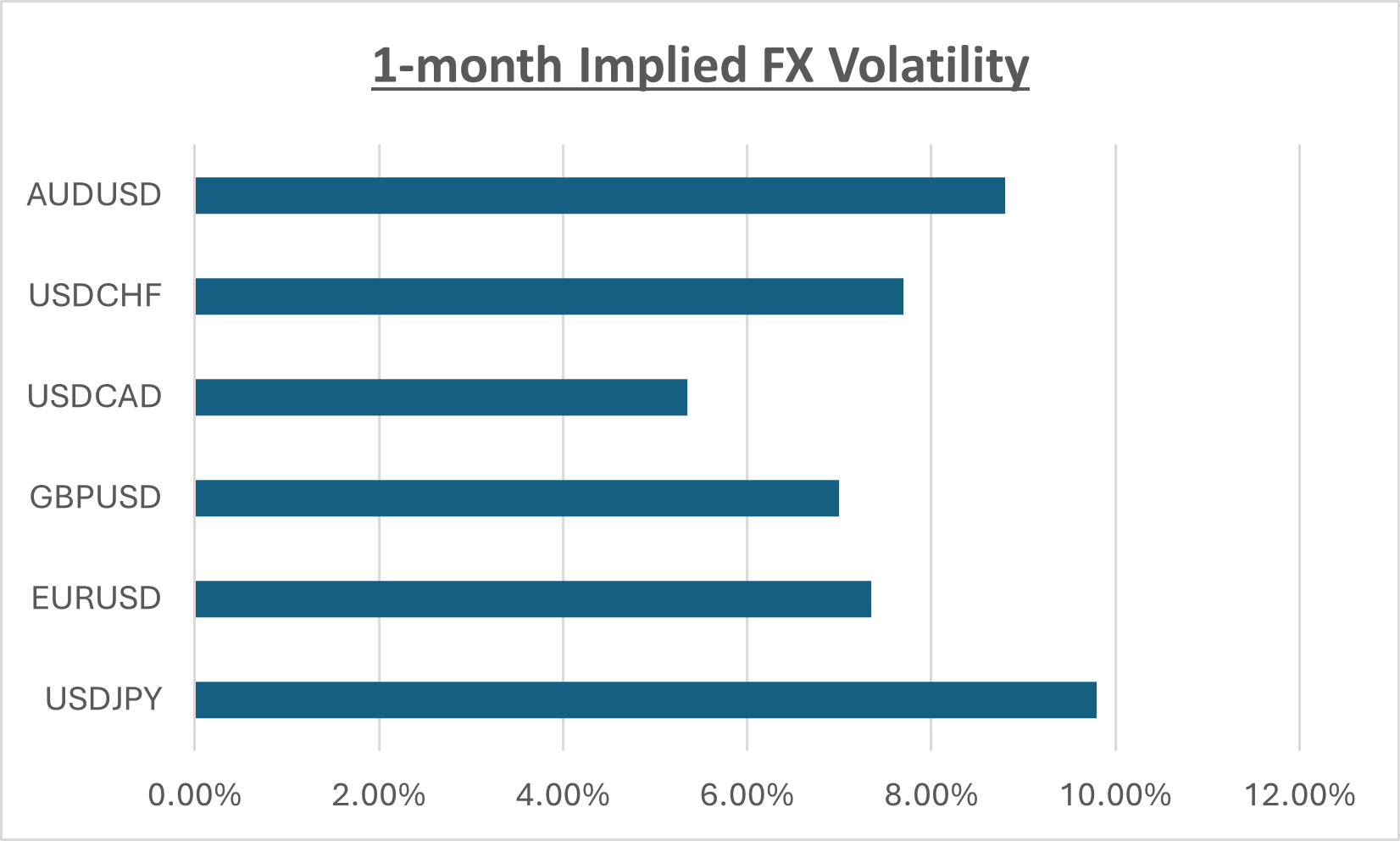
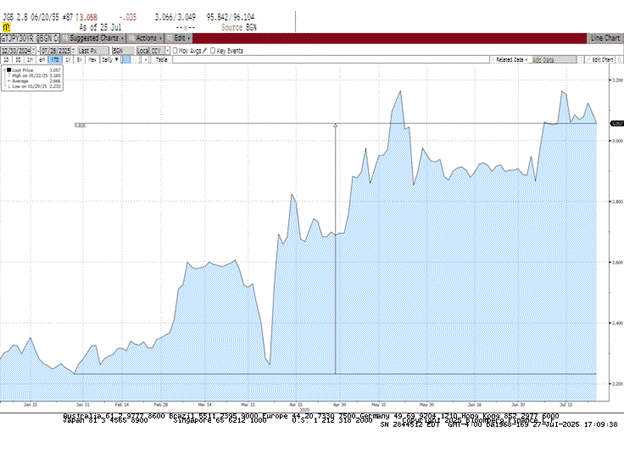
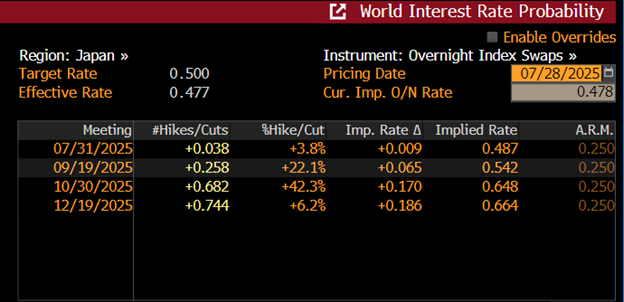
Japan’s upper house election of 20 July has upended the political landscape. Prime Minister Shigeru Ishiba’s Liberal Democratic Party (LDP)–Komeito coalition lost its majority, inviting fresh uncertainty for policy, the yen and the domestic rates market. The vote came just days before the Bank of Japan’s (BoJ) 31 July meeting and in the same week as a new US-Japan trade deal, knitting politics, policy and markets ever more tightly.
Ballot Box Blow for Ishiba: Policy Paralysis Ahead?
Having already surrendered control of the lower house last year, the coalition’s upper house defeat weakens Ishiba further and raises the spectre of legislative gridlock. Opposition parties, notably Sanseito, have gained ground on platforms of tax cuts and looser monetary settings. Their calls for a larger fiscal package – including scrapping the 10 per cent consumption tax – could swell public debt, already near 230 per cent of GDP. A minority LDP government would need ad hoc deals with small parties or a grand coalition, either way limiting its scope for long-term reform.