
“Over the past two days, Ukrainian-U.S. negotiations have been constructive and productive, with real progress achieved” – Rustem Umerov, secretary of the [Ukrainian] National Security and Defense Council, 15th December 2025 via X.
Where we were, where we are
On 24th February 2022, Russian forces moved into Ukraine across four fronts, one from Belarus and three from Russia, igniting the largest and bloodiest conflict on the continent since World War II. The incursion ushered in a redrawing of the European map and cast doubt on established international law and order.
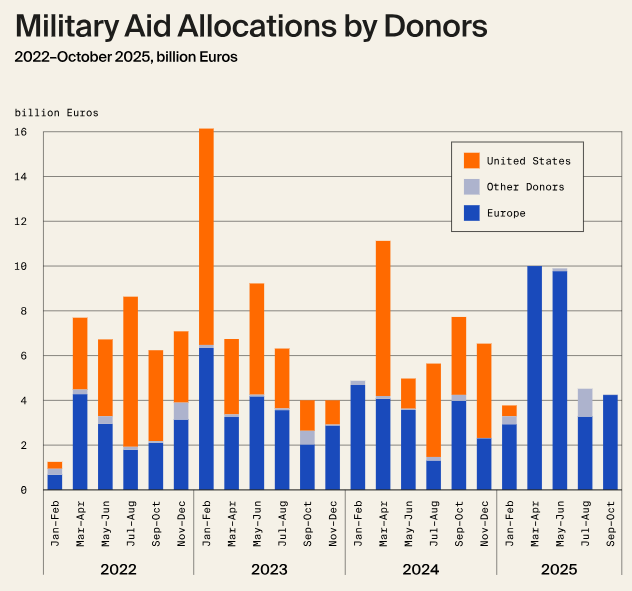
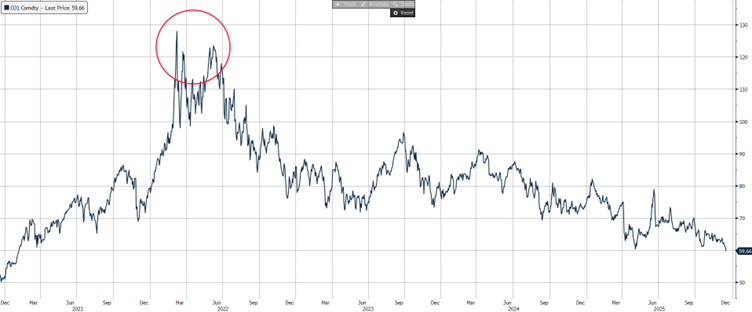
Some 1,391 days later (at the time of writing), and the ensuing four years have been tumultuous to say the least. Billions of dollars of funding for Ukraine, dozens of failed peace agreements and aggressive, supply-side inflation that has been the bane of global policymakers. Early 2025 witnessed great progress to bring about peace in Ukraine – the Anchorage and Istanbul summits spring to mind – yet both yielded little success. However, Umerov’s comment in the opening gambit of this note suggests real cause for optimism. Might it really be different this time?
Security stalemate: deadlock broken?
What began as a 28-point peace plan brokered between the US and Russia at the end of November, absent Ukrainian stakeholders, has since been condensed into a 20-point doctrine, compiled with continental powerbrokers such as Friedrich Merz and, of course, Ukrainian President Volodymyr Zelenskyy.
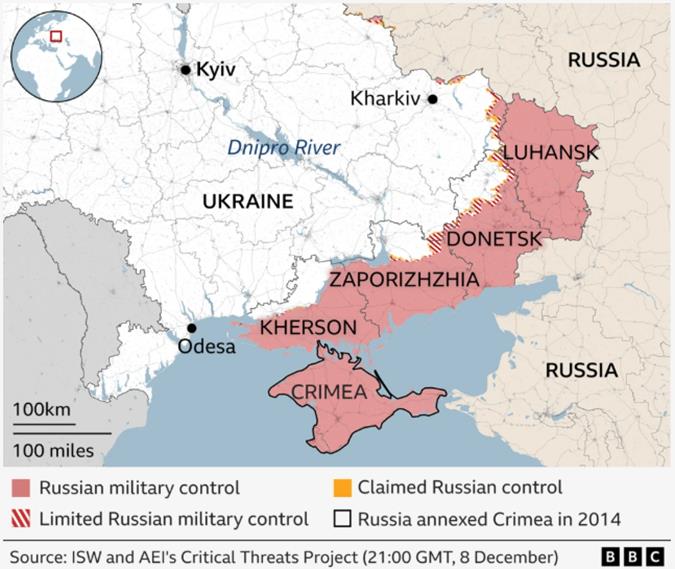
Historical sticking points have centred around territorial concessions – whether along current battle lines, per the European position, or the broader Donbas region, per the Russian position – as well as the ceding of NATO ambitions by Ukraine. The latter appears to have been assuaged, although still firmly up for negotiation, with the US and European Union reportedly offering security guarantees akin to NATO’s Article 5 in all but name. Recent developments also suggest the US has promised Zelenskyy that any such guarantee will be subject to Congressional vote, thus becoming legally binding.
Russian Deputy Foreign Minister Sergei Ryabkov has reaffirmed his country’s territorial demands – per the above – although he was also quoted in an ABC interview that he was “very confident” the conflict was nearing its end. Clearly, there are still some critical territorial elements to be hashed out.